





How Much Protein Do You Really Need


By Yvette Malcolm February 9, 2026

Protein requirements vary based on your activity level, age, and health goals. The baseline recommendation is 0.8 grams per kilogram of body weight daily for sedentary adults. However, if you're physically active, building muscle, or recovering from illness, you'll need more—typically 1.2 to 2.0 grams per kilogram. For a 150-pound person, that's roughly 55-136 grams daily depending on lifestyle.

The key is spreading protein throughout your day. Your body can only process about 25-30 grams per meal effectively for muscle synthesis. Quality matters too—complete proteins from meat, fish, eggs, and dairy provide all essential amino acids, while plant sources like beans and quinoa may require combining for optimal nutrition.

Man in a gray hoodie at a desk, focused on a computer. Office setting, window in the background.
Sedentary Adults

0.8g per kg body weight. Minimal physical activity means baseline needs.

Woman and man doing box jumps in a gym. Both are exercising, with dark hair, and are focused.
Active Individuals

1.2-1.6g per kg. Regular exercise increases protein demands for recovery.

Muscular person flexing arm, indoors with dark, neutral background.
Athletes & Bodybuilders

1.6-2.0g per kg. Intense training requires maximum protein for muscle growth.

Sign Up For The Rebalance Program


My Newsletter

Sign up to get notifications on my latest blogs, industry insights, trends, and more in your inbox.

Contact Us

SHARE THIS

Latest Posts

Black alarm clock on a wooden surface, showing the time is about seven o'clock.
By Yvette Malcolm February 9, 2026
Research has revealed that our hormone production follows distinct daily patterns closely tied to light exposure and eating schedules. Insulin sensitivity, for instance, is naturally higher in the morning and decreases as the day progresses. This means our bodies are better equipped to handle carbohydrates earlier in the day. Growth hormone, crucial for tissue repair and metabolism, is primarily released during deep sleep—a process that can be disrupted by late-night eating or inconsistent meal patterns that throw off our circadian rhythm. Our body’s main stress-response system is highly influenced by eating patterns. When we skip meals or eaten inconsistently, the body can interpret this as a form of stress, leading to higher and more prolonged cortisol levels. Constant elevated cortisol is linked to insulin resistance, increased abdominal fat storage, weakened immune function, and disruptions in sex hormones. Eating at regular times helps signal safety and stability to the body, allowing cortisol to follow its natural rhythm—higher in the morning to support alertness and lower in the evening to promote rest and recovery. 

Pasta salad with salmon, walnuts, and greens in a peach-colored bowl.
By Yvette Malcolm February 9, 2026
Creating balanced meals doesn't require complex calculations or restrictive diets. As a registered dietitian, I've seencountless people transform their health by simply understanding the fundamental building blocks of nutrition andapplying them consistently. The truth is, balanced eating is less about perfection and more about establishingsustainable patterns that nourish your body while fitting seamlessly into your lifestyle.
Bananas, strawberries, pineapple, oranges, smoothie, on white surface.
By Yvette Malcolm February 9, 2026
"Healthy" isn't about perfection orrestrictive rules. It's about consistent patterns of nourishing your body with quality foods.
Two people running on treadmills in a gym. One wears blue, the other green; both wear red shorts.
By Yvette Malcolm January 15, 2026
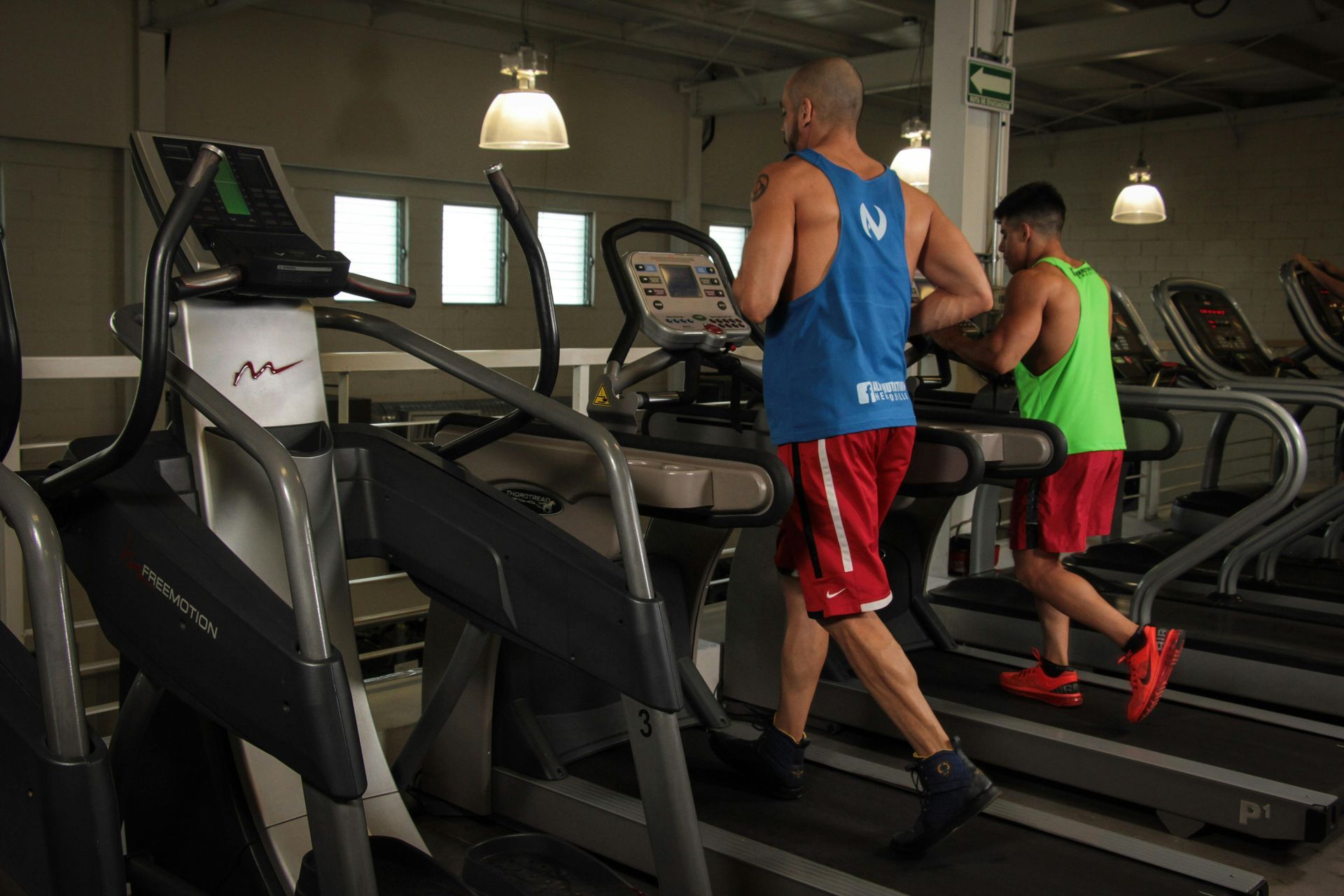
The science is clear: movement matters. Its benefits extend far beyond physical fitness. It supports mental health, longevity, and daily functioning for people of all ages and abilities. Recommended Aerobic Activity for Adults Adults should aim for one of the following each week: 150–300 minutes of moderate-intensity aerobic activity (such as brisk walking) 75–150 minutes of vigorous-intensity aerobic activity (such as running) Or a combination of both These minutes can be spread across the week and adjusted to fit your schedule, preferences, and ability level. The Importance of Strength Training In addition to aerobic activity, muscle-strengthening exercises are encouraged at least 2 days per week, targeting all major muscle groups. Strength training supports: Muscle and bone health Metabolic health Functional strength for daily activities Healthy aging across the lifespan Every Bit of Physical Activity Counts Physical activity no longer needs to be done in long or structured sessions to be effective. Even short bouts of movement throughout the day contribute to meaningful health benefits. This means everyday activities—walking, standing, stretching, household tasks—all count. Health Benefits of Regular Physical Activity Meeting physical activity guidelines is associated with both immediate and long-term benefits, including: Reduced risk of heart disease, stroke, and type 2 diabetes Lower incidence of certain cancers Improved mental health and reduced anxiety and depression Better sleep quality and duration Stronger bones and muscles Reduced risk of falls and injuries in older adults Getting Started With Exercise For individuals who are currently inactive or managing chronic conditions, starting small is encouraged. Even modest increases in activity can lead to immediate and lasting health benefits. The most important step is simply to begin—where you are, not where you think you should be. Move More, Sit Less Sedentary behavior—prolonged sitting—is a health risk independent of exercise levels. Even individuals who meet activity guidelines benefit from reducing sitting time throughout the day. Simple strategies include: Standing or stretching regularly Taking brief movement breaks Incorporating walking into daily routines Physical Activity Is for Everyone The guidelines emphasize that physical activity benefits individuals of all ages, body sizes, fitness levels, and abilities, including: Older adults Pregnant and postpartum individuals People living with disabilities or chronic conditions Movement can—and should—be adapted to meet individual needs. The Role of Community Support Community environments play a key role in supporting active lifestyles. Access to safe walking paths, workplace wellness programs, and public education initiatives helps make movement more accessible and sustainable. The Bottom Line Aim to move more and sit less. Strive for at least 150 minutes of moderate aerobic activity plus muscle-strengthening exercises each week to support long-term health and reduce the risk of chronic disease.  Remember: any amount of physical activity is better than none, and lasting change starts with a single step. Want Support Creating a Balanced, Active Lifestyle? Nutrition and movement work best together. If you’d like guidance on fueling your body, improving energy, or building sustainable habits, professional nutrition counseling can help. 👉 Explore nutrition services and get started today. References: Physical Activity Guidelines for Americans, 2nd edition | 2018 U.S Department of Health and Human Services | https://odphp.health.gov/sites/default/files/2019-09/Physical_Activity_Guidelines_2nd_edition.pdf