


Learn why sugar cravings may feel stronger during perimenopause and how balanced meals, protein, fiber, sleep, and mindful eating can help.

Learn why belly fat often increases during perimenopause and how balanced meals, protein, fiber, sleep, and strength training can support your health.
Learn the weekly aerobic and strength training guidelines for adults, why sitting less matters, and how movement supports long term health at any fitness level.

Research has revealed that our hormone production follows distinct daily patterns closely tied to light exposure and eating schedules. Insulin sensitivity, for instance, is naturally higher in the morning and decreases as the day progresses. This means our bodies are better equipped to handle carbohydrates earlier in the day. Growth hormone, crucial for tissue repair and metabolism, is primarily released during deep sleep—a process that can be disrupted by late-night eating or inconsistent meal patterns that throw off our circadian rhythm. Our body’s main stress-response system is highly influenced by eating patterns. When we skip meals or eaten inconsistently, the body can interpret this as a form of stress, leading to higher and more prolonged cortisol levels. Constant elevated cortisol is linked to insulin resistance, increased abdominal fat storage, weakened immune function, and disruptions in sex hormones. Eating at regular times helps signal safety and stability to the body, allowing cortisol to follow its natural rhythm—higher in the morning to support alertness and lower in the evening to promote rest and recovery.
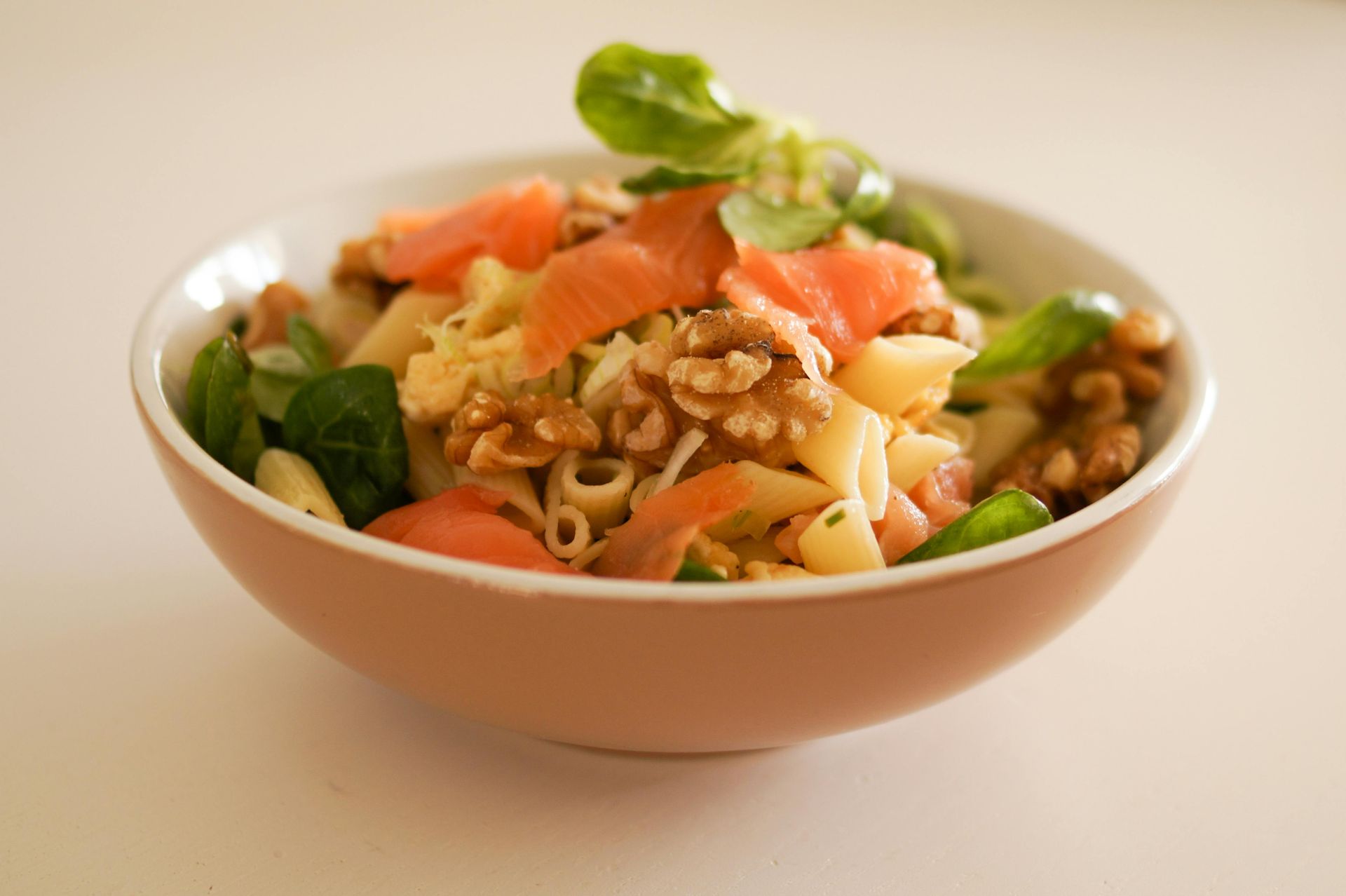
The secret to sustainable meal planning isn't spending hours in the kitchen or following complicated recipes—it's developing simple systems that remove daily decision-making stress.

"Healthy" isn't about perfection orrestrictive rules. It's about consistent patterns of nourishing your body with quality foods.
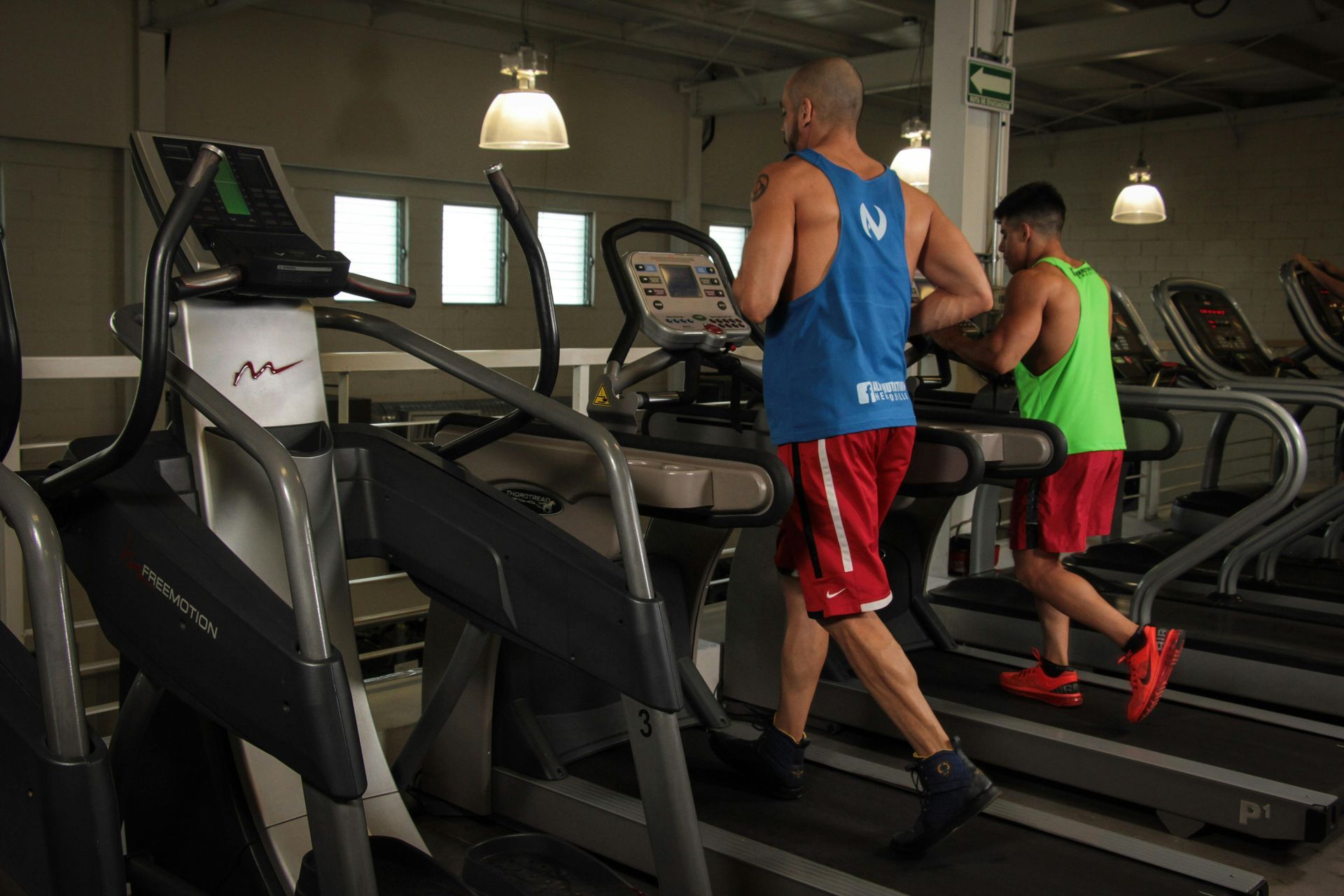
Learn the weekly aerobic and strength training guidelines for adults, why sitting less matters, and how movement supports long term health at any fitness level.