

Why You’re Gaining Belly Fat During Perimenopause, and What Nutrition Can Do
By Dr. Yvette Malcolm-Theriault, RD • September 1, 2026

If your usual routine has not changed but your waistline has, you are not imagining it. Many women notice that weight becomes easier to gain, and harder to lose, during perimenopause. Even when the number on the scale stays similar, body fat may begin shifting from the hips and thighs toward the abdomen.
This change can feel frustrating, especially if you have been told to simply eat less or exercise more. The truth is more nuanced. Hormone fluctuations, age-related muscle loss, sleep disruption, stress, and everyday eating patterns can all influence body composition during midlife. Nutrition cannot stop perimenopause, and no single food can target belly fat. However, a well-planned approach can support muscle, steady energy, balanced blood sugar, and sustainable weight management, without a punishing diet.
Why does body fat shift during perimenopause?
Perimenopause is the transition leading up to menopause. It commonly begins in the 40s, although timing varies, and may last several years. During this phase, estrogen and progesterone do not decline in a smooth, predictable line. They fluctuate. These changes can affect menstrual cycles, temperature regulation, mood, sleep, appetite, and where the body tends to store fat.
Estrogen appears to play an important role in fat distribution. As estrogen levels decline, the body may become more likely to store fat around the waist rather than primarily around the hips and thighs. This does not mean hormones are the only reason for midlife weight gain. Aging and lifestyle factors matter too, but the menopausal transition can change body shape even without dramatic weight gain.
The difference between subcutaneous and visceral fat
The soft fat you can pinch under the skin is called subcutaneous fat. Visceral fat sits deeper in the abdomen around internal organs. Everyone needs some body fat, but higher amounts of visceral fat are associated with greater cardiometabolic risk, including insulin resistance, type 2 diabetes, high blood pressure, and cardiovascular disease.
That is why this conversation should be about health, strength, and quality of life—not shame or chasing a perfectly flat stomach. Waist changes can be useful information, but they do not define your worth or tell the whole story of your health.
Four factors that can make belly fat more noticeable
1. Gradual loss of muscle mass
Adults gradually lose muscle with age, particularly when resistance exercise and protein intake are low. Because muscle is metabolically active tissue, having less of it can reduce daily energy needs. A meal pattern that maintained your weight years ago may therefore affect you differently now. Preserving muscle becomes increasingly important during perimenopause, not just for metabolism, but also for mobility, bone health, and healthy aging.
2. Changes in insulin sensitivity
Hormonal shifts, reduced muscle mass, inactivity, poor sleep, and increasing visceral fat can make the body less responsive to insulin. Insulin helps move glucose from the blood into cells for energy. When sensitivity decreases, blood sugar regulation becomes more difficult. This is not a reason to eliminate carbohydrates. It is a reason to choose carbohydrate quality carefully and pair carbohydrate foods with protein, fiber, and healthy fat.
3. Sleep disruption and stress
Hot flashes, night sweats, anxiety, and changing sleep patterns can leave you tired. Poor sleep can influence appetite-regulating signals, increase the appeal of energy dense foods, and make exercise or meal preparation feel harder. Chronic stress may have similar effects on eating behavior and recovery. Stress and sleep do not make weight gain inevitable, but they are often missing pieces of the picture.
4. Less movement in daily life
Work demands, caregiving, joint discomfort, and fatigue can quietly reduce daily movement. This includes both structured exercise and ordinary activity such as walking, climbing stairs, or standing. The solution does not need to be an extreme workout plan. Consistent movement that fits your ability and schedule is more valuable than a perfect routine you cannot maintain.
What nutrition can, and cannot, do
Nutrition cannot selectively burn fat from the abdomen. Hundreds of crunches will not remove visceral fat from one specific area, and detoxes, teas, hormone-balancing powders, or severe carbohydrate restriction are not required. What nutrition can do is help create the conditions for better metabolic health: adequate protein, more fiber-rich foods, steadier meals, appropriate portions, and enough nourishment to maintain muscle and energy.
1. Build meals around protein
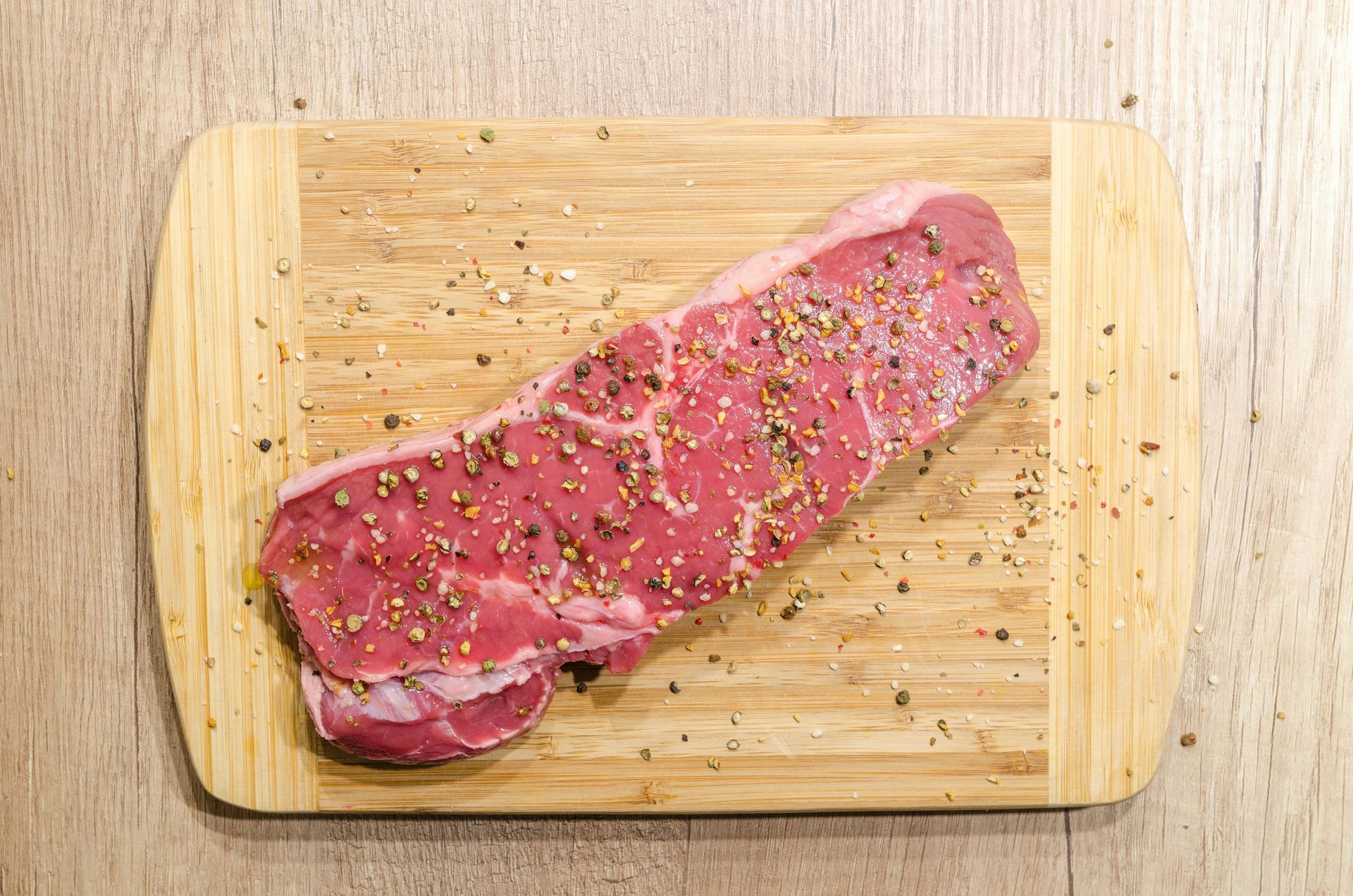
Protein supports muscle maintenance and is generally more satisfying than a meal built mainly from refined carbohydrates. Try including a meaningful protein source at each meal rather than saving most of it for dinner. Options include eggs, Greek yogurt, cottage cheese, fish, chicken, turkey, tofu, tempeh, lentils, beans, or lean meat.
Your ideal amount depends on body size, activity, health conditions, and goals. A registered dietitian can help personalize it, especially if you have kidney disease or another condition that affects protein needs.
2. Choose high-fiber carbohydrates
Carbohydrates are not the enemy of perimenopause. Whole grains, beans, fruit, and starchy vegetables provide fuel, vitamins, minerals, and fiber. Fiber supports digestive health, fullness, cholesterol management, and steadier blood glucose responses. Instead of removing carbohydrates, improve their quality and combine them with protein or healthy fat.
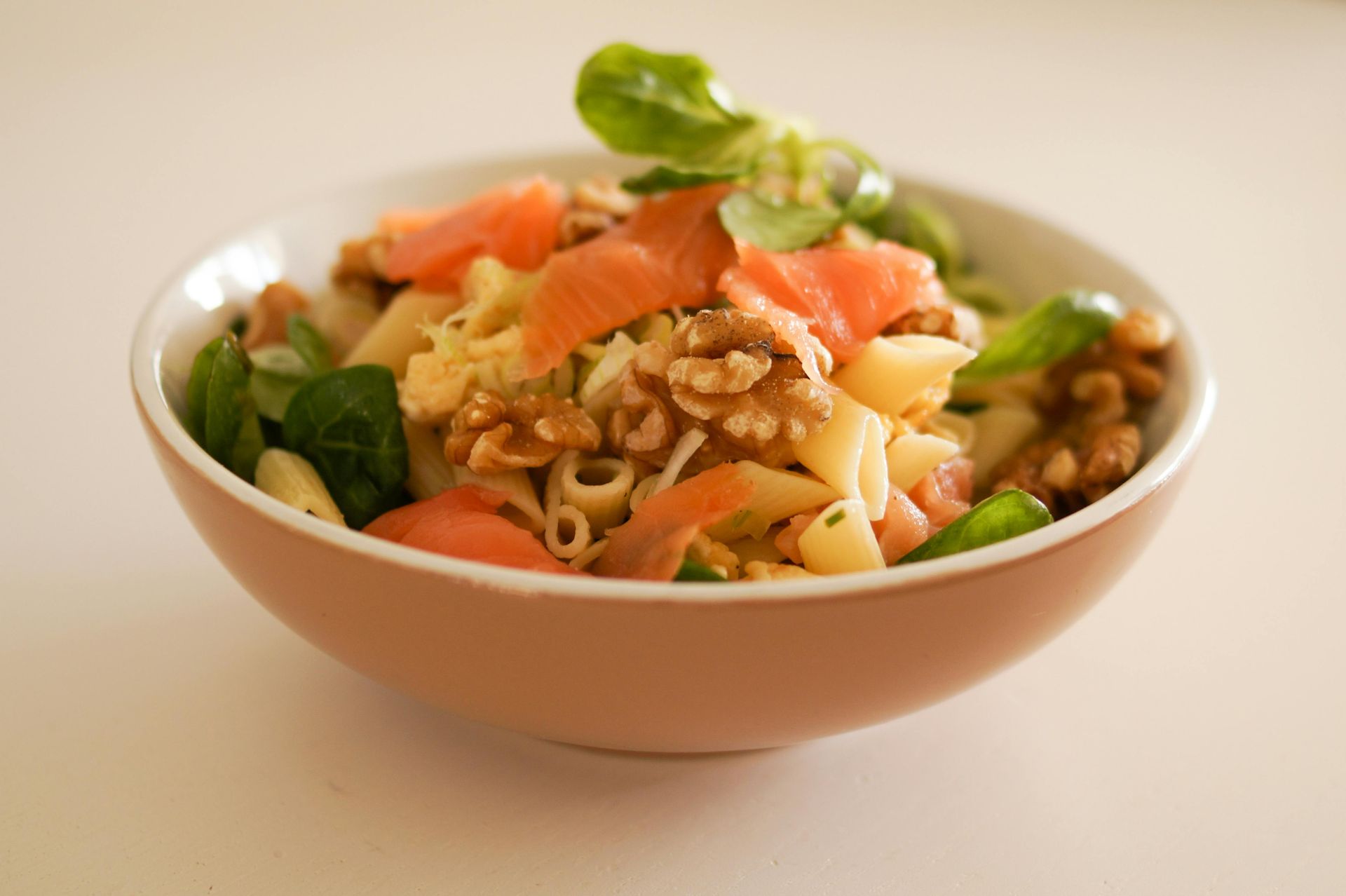
For example, pair oatmeal with Greek yogurt and berries, an apple with peanut butter, or brown rice with salmon and vegetables. These combinations are often more satisfying than eating the carbohydrate alone.
3. Use a simple balanced-plate structure
You do not need to count every calorie to make meals more balanced. As a flexible starting point, fill about half your plate with non-starchy vegetables, one quarter with protein, and one quarter with a fiber-rich carbohydrate. Add a source of healthy fat, such as olive oil, avocado, nuts, seeds, or oily fish. Your portions may differ depending on hunger, activity, medical needs, and goals, but this structure can reduce decision fatigue.
4. Eat regularly enough to prevent the rebound
Skipping meals to compensate for weight gain can backfire if it leaves you overly hungry later. Long gaps without food may contribute to afternoon grazing, intense evening hunger, or feeling out of control around sweets. A consistent rhythm, often three balanced meals with an optional snack, can make appetite easier to manage. The best schedule is the one that supports your energy, medications, training, and daily life.
5. Be curious about alcohol and liquid calories
Alcoholic drinks, sweetened coffees, sodas, and juices can add energy without providing much fullness. Alcohol may also worsen sleep or hot flashes for some women. You do not necessarily have to eliminate every favorite drink. Notice how often you have it, what portion you pour, and whether it supports how you want to feel.
6. Avoid aggressive restriction
Very-low-calorie diets may produce quick scale changes, but they can be difficult to sustain and may increase muscle loss if protein and resistance training are inadequate. Restriction can also intensify guilt, cravings, and all-or-nothing eating. A modest, individualized approach is usually more supportive of long-term progress than repeatedly starting over on Monday.
Nutrition works best with strength, movement, and recovery.
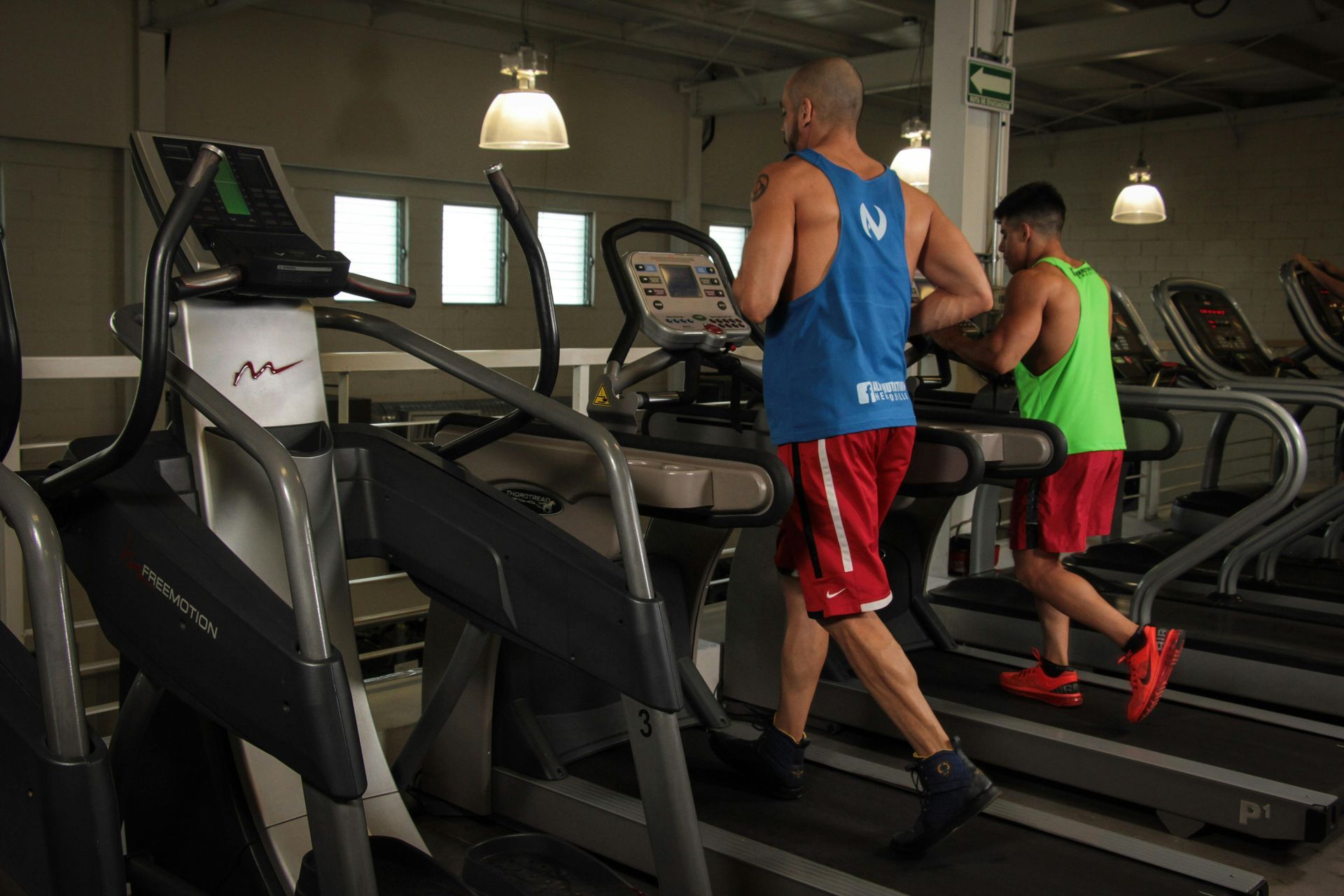
Food is only one part of body-composition change. Resistance training helps preserve or build muscle, while aerobic activity supports cardiovascular fitness and can help reduce visceral fat. Walking, swimming, cycling, dancing, resistance bands, weights, and body-weight exercises can all count. If you are new to exercise or have pain, heart disease, osteoporosis, pelvic-floor concerns, or other medical issues, ask an appropriate healthcare professional for guidance.
Sleep deserves attention too. Keep the bedroom cool, develop a consistent wind-down routine, limit late caffeine, and talk with your clinician if hot flashes, snoring, insomnia, or mood changes are interfering with rest. Better sleep will not magically melt belly fat, but it can make hunger, food choices, activity, and recovery easier to manage.
A realistic day of eating
Here is one example, not a rigid prescription:
- Breakfast: Greek yogurt with berries, oats, chia seeds, and walnuts.
- Lunch: A grain bowl with chicken or tofu, quinoa, mixed vegetables, avocado, and a flavorful dressing.
- Snack, if hungry: An apple with peanut butter, or vegetables with hummus.
- Dinner: Salmon, roasted vegetables, and potatoes or brown rice.
- Dessert: A food you genuinely enjoy, served without guilt and eaten mindfully.
The goal is not dietary perfection. It is a repeatable pattern that supplies protein, fiber, satisfying foods, and enough flexibility for real life.
When should you seek additional support?
Discuss unexpected or rapid weight change with your healthcare provider. Thyroid disorders, diabetes, sleep apnea, depression, medication effects, and other conditions can overlap with perimenopause symptoms. Seek care if weight change occurs alongside severe fatigue, unusual swelling, persistent digestive symptoms, marked thirst or urination, or other concerning changes.
A registered dietitian can help you move beyond generic advice by reviewing your symptoms, eating patterns, medical history, laboratory results, activity, preferences, and barriers. Personalized care is especially valuable when you are managing high cholesterol, prediabetes, digestive concerns, or a difficult relationship with food.
💡 Tips
Belly fat during perimenopause is not a personal failure. Declining and fluctuating hormones can change where fat is stored, while aging, muscle loss, sleep disruption, stress, and reduced movement can contribute to overall weight gain. You cannot control every part of this transition, but you can support your body with balanced meals, adequate protein, fiber-rich carbohydrates, strength-building activity, restorative sleep, and realistic routines.
Sign Up For The Rebalance Program
My Newsletter
Sign up to get notifications on my latest blogs, industry insights, trends, and more in your inbox.
Contact Us
We will get back to you as soon as possible.
Please try again later.
SHARE THIS
Latest Posts