Why Am I Craving Sugar So Much During Perimenopause?
By Dr. Yvette Malcolm-Theriault, RD • September 1, 2026

Q: Since entering perimenopause, I seem to crave chocolate, cookies, or something sweet every afternoon and evening. I never used to think about sugar this much. Is this hormonal, and what can I do about it?
A: You are not alone, and stronger cravings do not mean you lack self-control. Perimenopause can bring changes in sleep, mood, appetite, energy, and glucose regulation, all of which may make sweet foods feel more appealing. At the same time, everyday factors such as skipping meals, low-protein breakfasts, restrictive diets, stress, and easy access to highly palatable foods may be just as important as hormones.
There is no single ‘sugar-craving hormone,’ and research has not proved that every craving in perimenopause is directly caused by estrogen changes. Cravings are usually the result of several biological, emotional, and environmental signals working together. The main thing is that you do not need to completely avoid sugar. A confident, more compassionate nutrition strategy can reduce the intensity of cravings while allowing you to enjoy sweet foods without guilt.
Why can sugar cravings feel stronger during perimenopause?
Perimenopause is the transition before menopause, when estrogen and progesterone fluctuate, and menstrual cycles begin to change. These shifts can affect temperature regulation, sleep, mood, and metabolism. They may also indirectly influence eating behavior. However, hormone changes rarely act alone. Look at the full pattern: when the craving happens, what you ate earlier, how you slept, what you are feeling, and whether you have been restricting food.
1. You may not be eating enough earlier in the day
One of the most common reasons for an evening sugar craving is simple: your body needs energy. Coffee for breakfast, a light salad for lunch, and no afternoon snack may look disciplined, but it can leave you physically hungry by late afternoon. When energy is low, the brain naturally notices foods that provide quick fuel. Sweet foods are convenient, rewarding, and easy to eat, so the craving can feel urgent.
Before blaming hormones, ask: Did I eat a real breakfast? Was lunch satisfying? Did my meals contain protein, carbohydrate, fat, and fiber? If the answer is no, the solution may be nourishment rather than more self-control.
2. Blood glucose may be rising and falling quickly
Carbohydrates are broken down into glucose, an important fuel for the body and brain. A meal or snack made mostly from refined carbohydrate—such as sweet coffee and a pastry—may be digested quickly. For some people, the combination of a rapid rise and later drop in blood glucose can be followed by hunger, tiredness, shakiness, or a desire for more quick energy.
This does not mean fruit, bread, rice, or other carbohydrates are harmful. Pairing carbohydrates with protein, fiber, or healthy fat generally makes a meal more filling and can produce a steadier response. If you have diabetes, prediabetes, take glucose-lowering medicine, or experience possible low-blood-sugar symptoms, speak with your healthcare provider rather than trying to diagnose yourself from cravings alone.
3. Poor sleep changes the eating environment
Night sweats, hot flashes, anxiety, and insomnia can make quality sleep difficult during perimenopause. After a short or broken night, the brain tends to seek rewarding, energy-dense foods, and planning or cooking may feel harder. You are also awake for more hours, creating additional opportunities to eat.
The craving may therefore be less about a nutrient deficiency and more about a tired brain asking for fast energy and comfort. Nutrition matters, but improving sleep and treating disruptive menopause symptoms may be equally important.
4. Stress and mood can shape appetite
Midlife often brings work pressure, caregiving, relationship changes, and health concerns at the same time that perimenopause can affect mood. Sweet foods may provide a brief sense of reward, calm, or relief. Emotional eating is not a moral failure; it is a coping strategy. The goal is to expand your coping options so food is not the only tool available.
When a craving appears, pause and ask: Am I physically hungry, mentally drained, anxious, lonely, bored, or simply wanting pleasure? More than one answer can be true. If you are hungry, eat. If you also need rest, connection, or stress support, respond to that need as well.
5. Restriction can make sweets feel more powerful
Labeling sugar as forbidden can increase preoccupation with it. You may avoid dessert for days, feel deprived, then overeat it when your restraint runs out. This restriction-overeating cycle often produces guilt, followed by another attempt to be even stricter.
Permission is not the same as having no structure. It means choosing sweets intentionally, eating them in a satisfying amount, and moving on without punishment. For many people, knowing that chocolate will still be available tomorrow makes it easier to enjoy some today.
Does craving sugar mean I have a deficiency?
Usually, a craving for a specific sweet food is not a reliable sign of a vitamin or mineral deficiency. Chocolate cravings, for example, are often explained online as proof of magnesium deficiency, but cravings are too complex to use as a diagnostic test. Taste, habit, memory, stress, hunger, sleep, and availability all influence what you want.
Persistent unusual cravings for nonfood substances, such as ice, clay, starch, or paper, are different and should be discussed with a healthcare professional because they may be associated with iron deficiency or another medical issue. Regular sweet cravings alone do not confirm a deficiency or a blood-sugar disorder.
Seven practical ways to manage sugar cravings
1. Start with a protein-containing breakfast
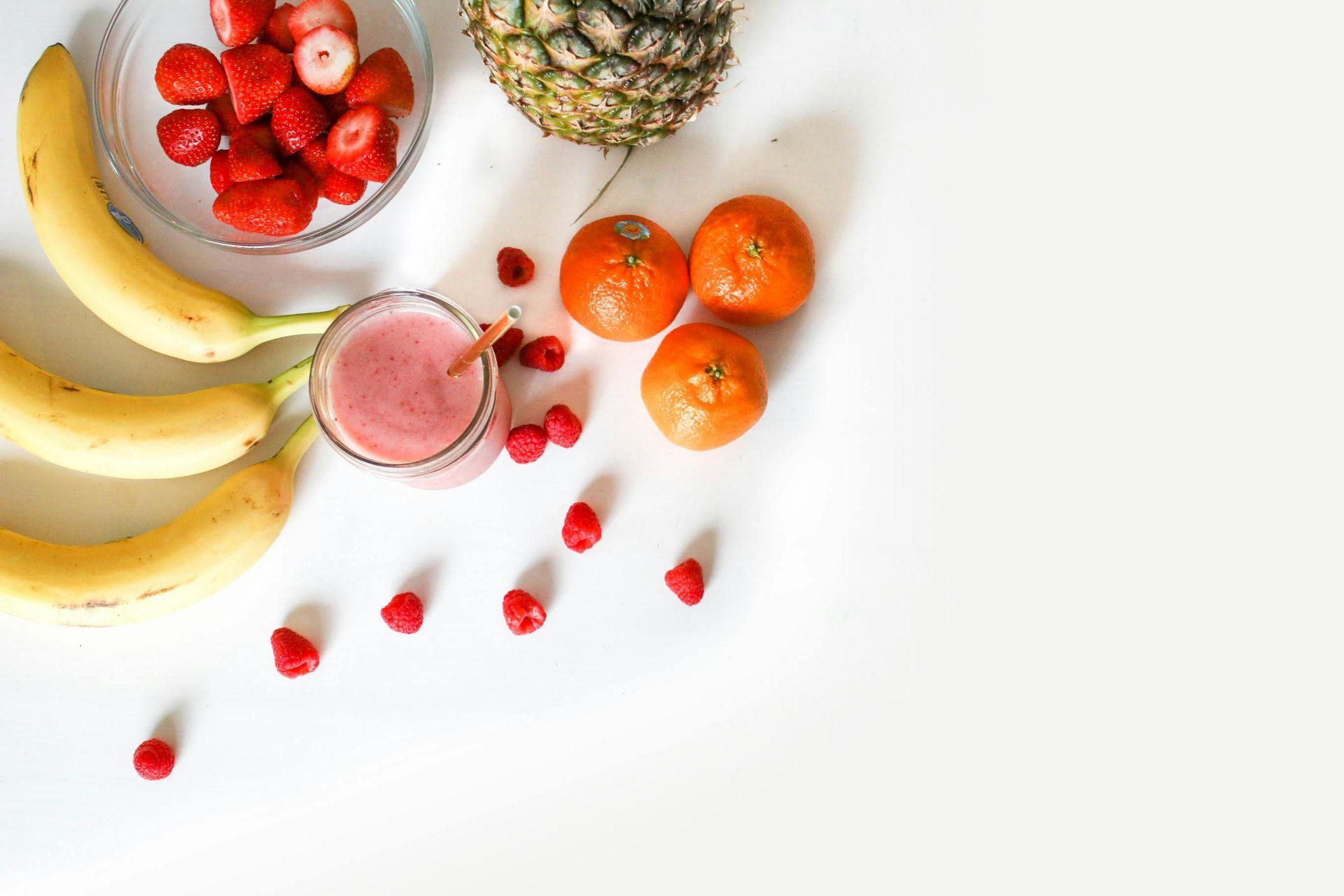
A breakfast that contains protein and fiber is often more sustaining than coffee and a refined carbohydrate alone. Try Greek yogurt with berries, chia seeds, and oats; eggs with whole-grain toast and fruit; or tofu with vegetables and potatoes. Breakfast does not need to be large, but it should provide enough nourishment for your morning.
2. Build balanced meals instead of removing carbohydrates
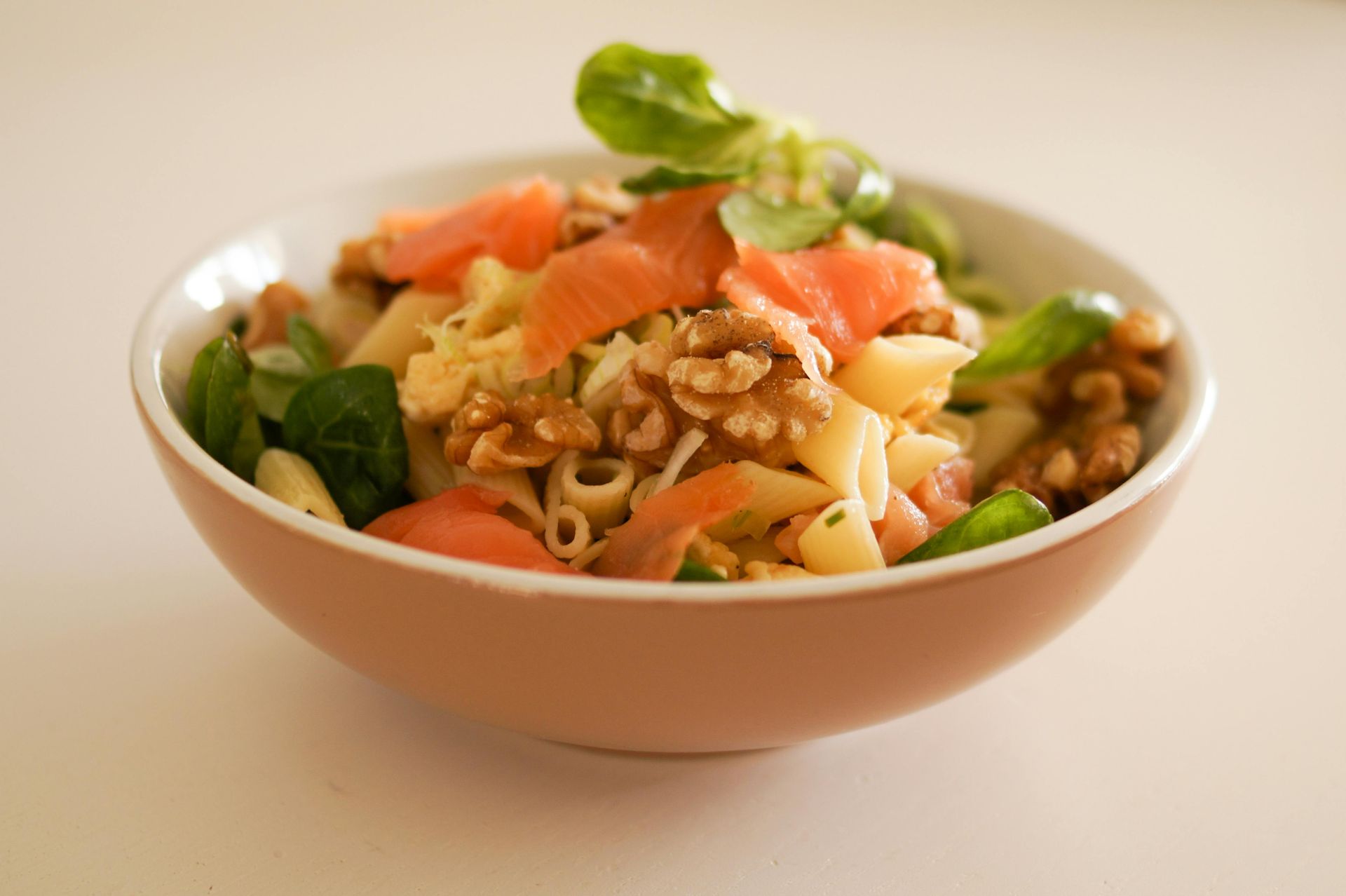
Use a simple plate as a flexible guide: include a protein, a high-fiber carbohydrate, colorful produce, and a source of healthy fat. Examples include salmon with brown rice and vegetables, chicken with roasted potatoes and salad, or a bean and quinoa bowl with avocado. This combination supports fullness and helps prevent the ‘I need something now’ feeling that can follow an inadequate meal.
3. Plan for the time cravings usually appear
If cravings regularly arrive at 3 p.m., do not wait until 3:30 to decide while exhausted and hungry. Prepare a snack that includes protein or fat plus a fiber-rich carbohydrate: an apple with peanut butter, Greek yogurt with fruit, cottage cheese with berries, roasted chickpeas, or hummus with vegetables and whole-grain crackers.
4. Keep sweet foods, but make them intentional
You can include dessert within a balanced eating pattern. Put it on a plate, sit down, and eat without multitasking when possible. Notice its taste and whether it is satisfying. Pairing a sweet food with a meal or snack can be more satisfying than grazing directly from a package while very hungry. The aim is not to ‘earn’ dessert; it is to enjoy it with awareness.
5. Review caffeine, alcohol, and hydration
Caffeine late in the day may worsen sleep for some people, indirectly intensifying next-day cravings. Alcohol can reduce food-related inhibition and may also disrupt sleep or aggravate hot flashes. Thirst can sometimes be confused with a vague urge to eat, although water is not a substitute for food when you are hungry. Aim for regular fluids and observe how caffeine and alcohol affect your own symptoms.
6. Protect your sleep
Keep a consistent sleep and wake time when possible, create a cool sleeping environment, and develop a wind-down routine. If hot flashes, night sweats, snoring, restless legs, low mood, or insomnia repeatedly disrupt sleep, discuss them with a qualified clinician. Treating the cause of poor sleep may support appetite regulation more effectively than another restrictive meal plan.
7. Track patterns—not calories or perfection
For one week, record the time of each strong craving, what you ate in the previous few hours, hunger level, sleep quality, stress, and menstrual-cycle changes. This is not a scorecard. It is a way to identify patterns. You may discover that cravings are strongest after skipped lunches, stressful meetings, short nights, or highly restrictive days. A registered dietitian can help turn those observations into an individualized plan.
What not to do
- Do not skip the next meal to compensate for eating dessert.
- Do not cut out all carbohydrates unless a qualified clinician has given you a specific medical reason.
- Do not rely on detoxes, appetite-suppressing teas, or unverified ‘hormone-balancing’ supplements.
- Do not treat one craving or one sweet food as proof that you have failed.
A helpful plan should reduce chaos around food, not create more fear. Consistency matters more than dietary perfection.
When should I talk to a healthcare professional?
Seek medical advice if cravings occur with excessive thirst, frequent urination, blurred vision, unexplained weight loss, recurrent shakiness or faintness, or severe fatigue. These symptoms can have several causes and deserve proper assessment. Also seek support if you frequently feel out of control while eating, eat unusually large amounts with distress, hide food, purge, or compensate through fasting or excessive exercise. Midlife eating concerns are real and treatable.
Medication effects, thyroid conditions, diabetes, depression, sleep disorders, and menopause symptoms can overlap with changes in appetite. A clinician can evaluate the medical picture, while a registered dietitian can help you plan meals and routines that align with your health needs, culture, preferences, and lifestyle.
Sign Up For The Rebalance Program
My Newsletter
Sign up to get notifications on my latest blogs, industry insights, trends, and more in your inbox.
Contact Us
We will get back to you as soon as possible.
Please try again later.
SHARE THIS
Latest Posts